
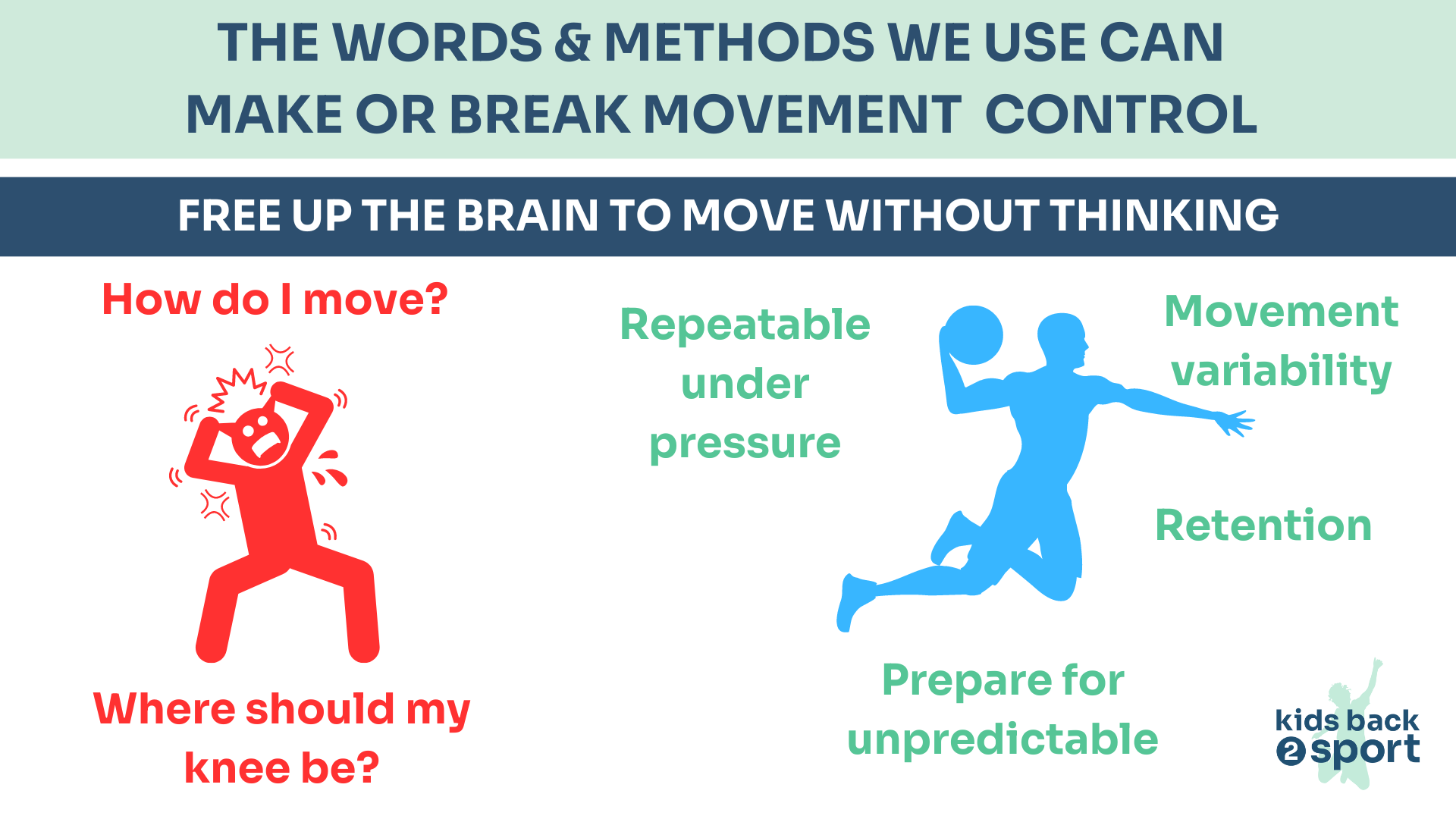
Learn the language of rehab
It’s not what we do, but how we do it that creates OPTIMAL rehab. The words and methods we use in rehab can affect motivation, retention & transfer to sport.
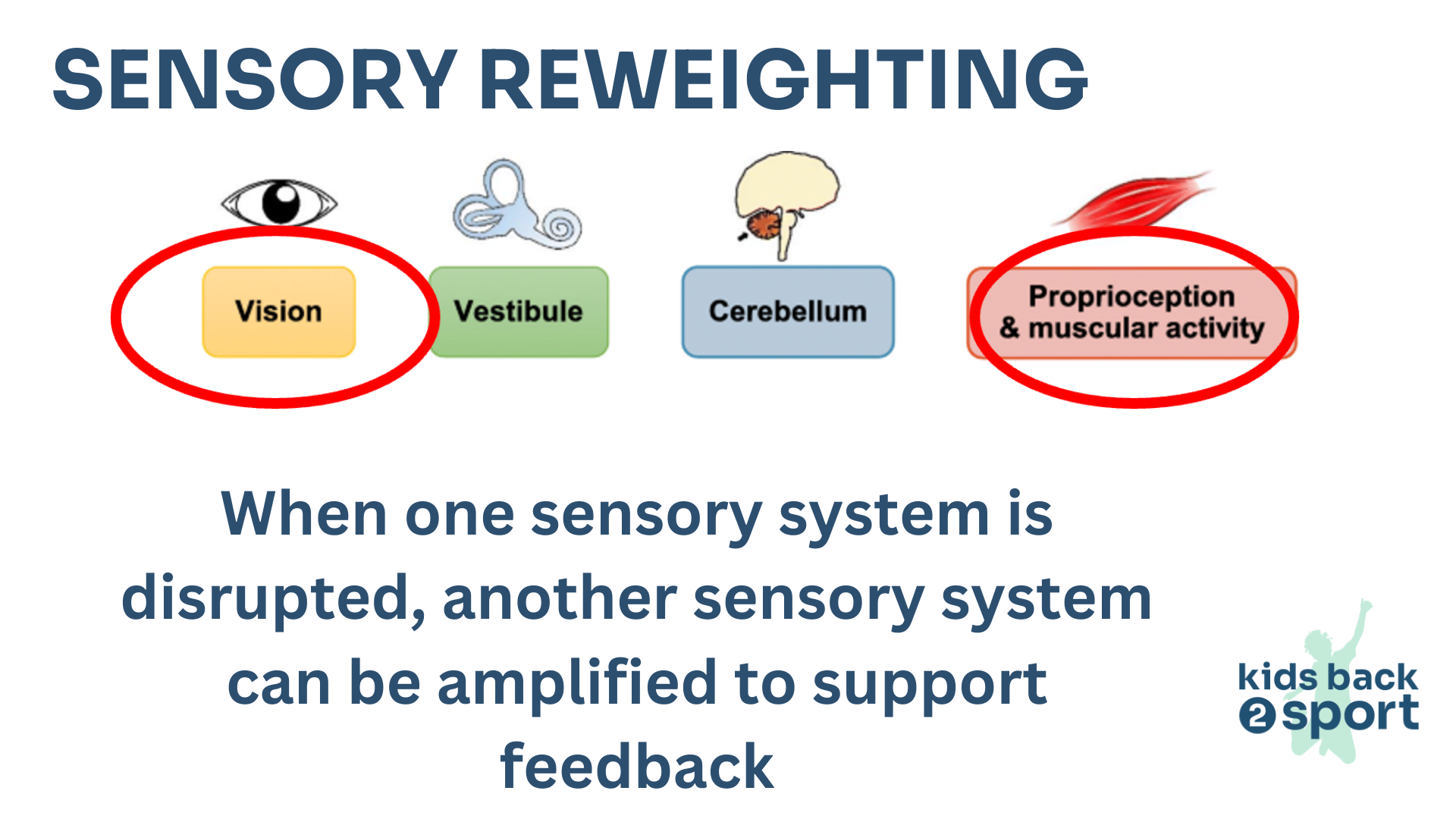
Brain adaptations after injury
When the brain cannot trust the information it receives, it amplifies another system such as vision. This may not be a robust strategy for the dynamic sporting environment.
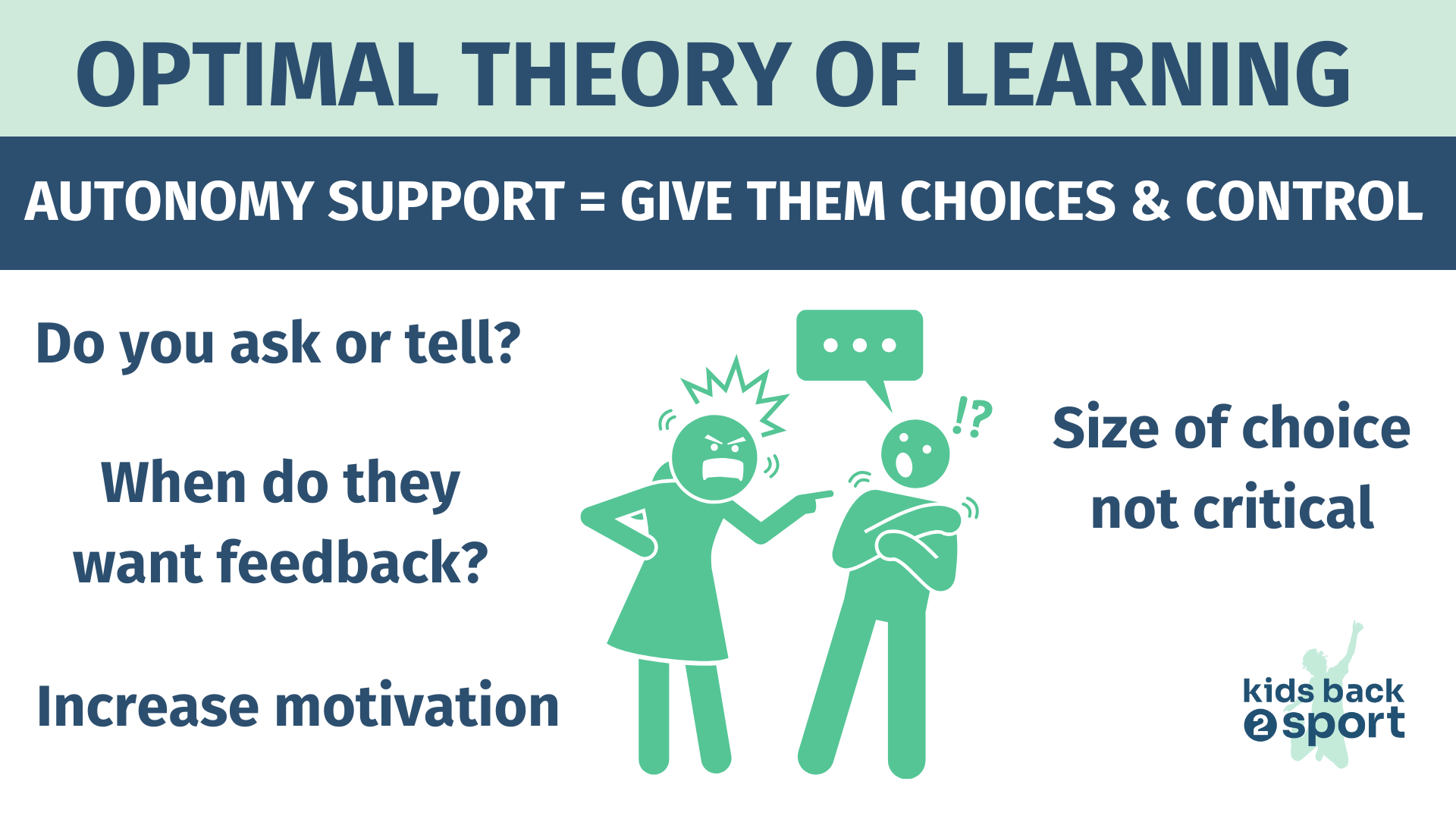
Do you ask or tell?
Do you create opportunities to seek movement solutions or dictate how it is done? Do you give your patient choices or ask them when and if they want feedback?
Strength is not enough
If we fail to prepare athletes for the complex demands of sport, the risk of re-injury increases. The course explores how to optimise learning, retention and motivation through active problem-solving, autonomy, external focus, appropriate challenge and variable practice, while reducing reliance on instructions and visual feedback to develop confident, adaptable and independent athletes. It prioritises progressive cognitive and environmental challenges, from controlled rehabilitation to unpredictable sporting demands, integrating decision-making under fatigue and pressure to promote skill transfer, adaptability and performance under chaos.
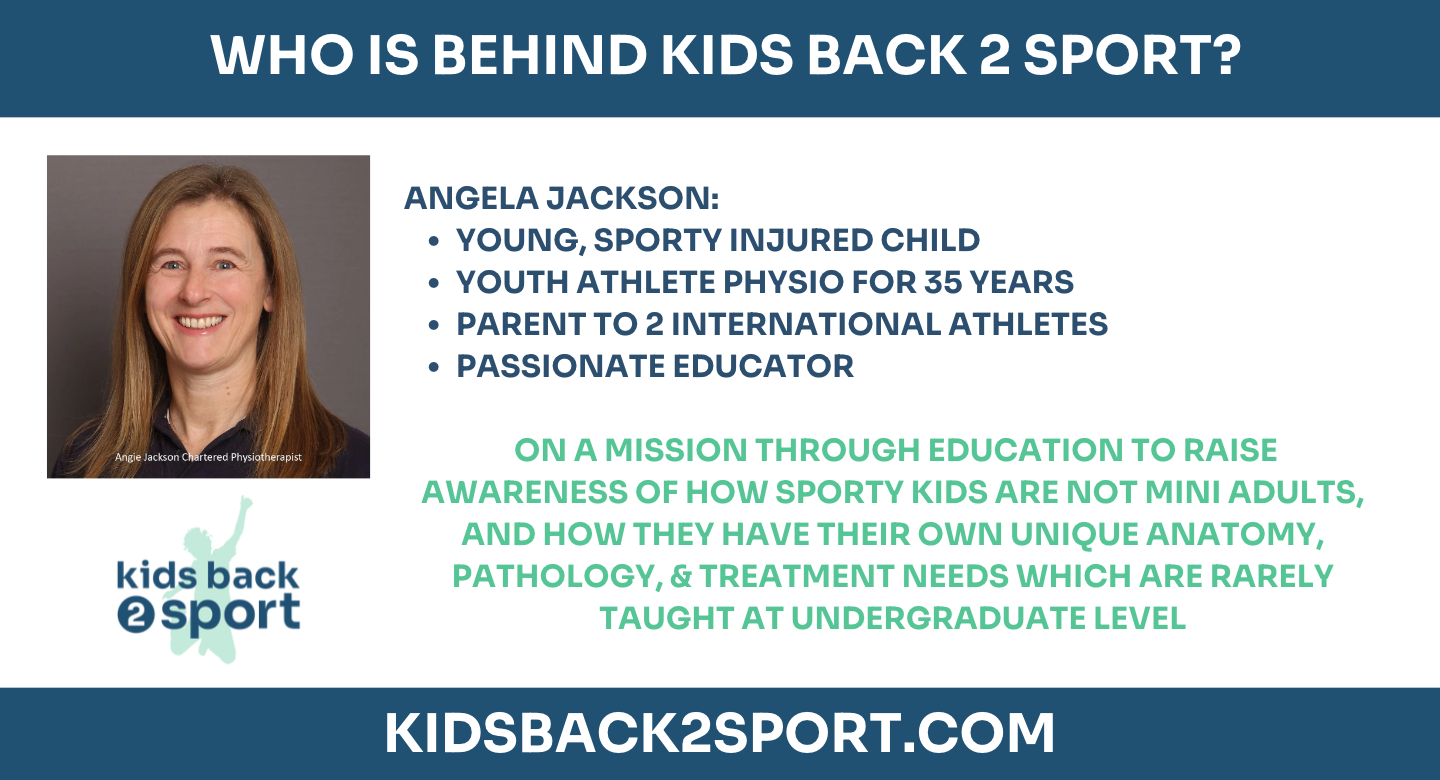
Angela Jackson
Angela Jackson is an experienced Youth Athlete Consultant physiotherapist dedicated to transforming the care of young athletes. She has worked with national teams, Premier League football clubs, within county cricket, schools, and helped thousands of children return safely to sport following injury. She is the creator of Kids Back 2 Sport, a trusted information platform providing evidence-based guidance for parents, coaches, teachers, and health professionals. A passionate educator, Angela is the author of the course Kids Back 2 Sport: Assessment, Diagnosis and Return to Play in Youth Athletes and regularly lectures worldwide delivering workshops and at conferences. For nearly two decades she has consulted for the Cheshire Cricket Board, developing Ready 4 Cricket a unique online injury prevention programme and authored a chapter on “The Prevention of Lumbar Stress Fractures” in the recently released book Cricket Sports Medicine.
Curriculum
-
-
Introduction Free preview
-
(Included in full purchase)
Practitioner Terms and Conditions
-
(Included in full purchase)
How to get the most out of the course
-
Creating neurocognitive rehab that prepares athletes for sport: Learning Objectives Free preview
-
-
-
(Included in full purchase)
What is the mechanism of a non-contact injury?
-
(Included in full purchase)
How does the brain respond to an ACL injury?
-
(Included in full purchase)
Sensory reweighting
-
(Included in full purchase)
Who is more at risk of injury?
-
(Included in full purchase)
Train the Brain handout
-
(Included in full purchase)
-
-
(Included in full purchase)
Conscious to unconscious competence
-
(Included in full purchase)
Focus of attention
-
(Included in full purchase)
Creating an external focus using motion guidance
-
(Included in full purchase)
Is movement variability a positive?
-
(Included in full purchase)
Movement is dynamic and complex
-
(Included in full purchase)
Perception changes movement
-
(Included in full purchase)
Building confidence: Enhanced expectancies
-
(Included in full purchase)
How to create motivation in youth athletes
-
(Included in full purchase)
Does your feedback build confidence?
-
(Included in full purchase)
Motor learning handout
-
(Included in full purchase)
-
-
(Included in full purchase)
What do they want to get back to?
-
(Included in full purchase)
What does Arthur need to be able to do to RTP?
-
(Included in full purchase)
Analyse the demands of their sport at the start of rehab
-
(Included in full purchase)
From control to chaos
-
(Included in full purchase)
Planning rehabilitation handout
-
(Included in full purchase)
-
-
(Included in full purchase)
From stability to variability
-
(Included in full purchase)
Contextual interference
-
(Included in full purchase)
Adding appropriate dual task to rehabilitation
-
(Included in full purchase)
Creating visual perturbation
-
(Included in full purchase)
Assessing visual dominance - SEBT
-
(Included in full purchase)
Synaptic eyewear and movement quality
-
(Included in full purchase)
What do Senpatec stroboscopic goggles do?
-
(Included in full purchase)
Perturbation
-
(Included in full purchase)
Perturbation examples
-
(Included in full purchase)
The Rehab Journey handout
-
(Included in full purchase)
-
-
(Included in full purchase)
Jump and hop testing
-
(Included in full purchase)
Are the eyes dominant?
-
(Included in full purchase)
Individualising rehab and RTP
-
(Included in full purchase)
Summary of neurocognitive rehab
-
(Included in full purchase)
Train the Brain - Test Your Learning
-
(Included in full purchase)
Start creating rehab that sticks and transfers to sport
Take your athlete on a rehab journey from control to chaos
£99.00